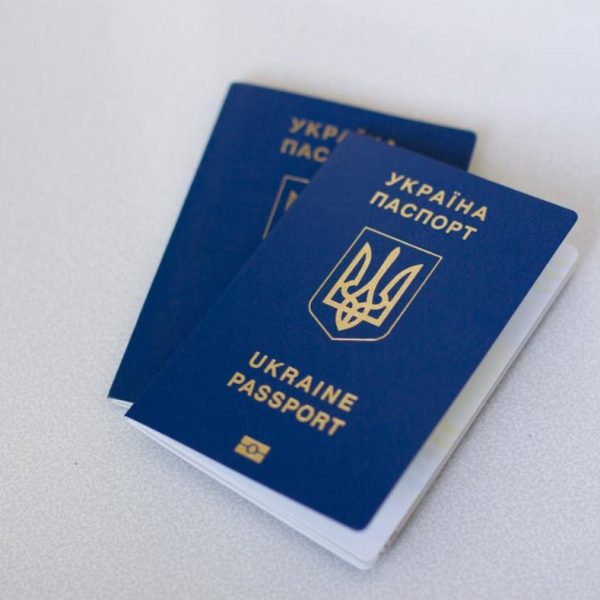
A family arrives in a new country carrying a folder of paperwork nobody around them can read. A birth certificate a marriage record and a diploma sit inside waiting for someone qualified to turn them into something an immigration officer will accept. Since 2022 millions of Ukrainians have faced exactly this situation and the demand for accurate certified translation has grown faster than most agencies expected.
A Sudden Surge Nobody Was Fully Ready For
Translation agencies across Europe and North America saw an unprecedented wave of requests almost overnight. Schools needed transcripts translated so children could enroll in classes within days. Employers needed diplomas translated so qualified professionals could start working instead of sitting idle for months. Government offices needed identity documents translated to process residency applications that kept piling up faster than staff could review them.
Ukrainian translation services became essential infrastructure rather than a niche offering almost overnight. Agencies that had handled a handful of Ukrainian documents per month suddenly faced hundreds of requests per week. Many scrambled to find qualified translators fast enough while maintaining the accuracy that legal documents demand. A rushed translation of a legal name or a date of birth can delay an application by months or trigger a rejection that forces a family to start the entire process again.
Certified Document Translation Carries Real Legal Weight
Certified document translation differs sharply from a casual conversion of text from one language to another. A certified translation includes a signed statement confirming the translation is complete and accurate which government agencies courts and universities require before they will accept a foreign document at all. Skipping this step or using an uncertified translator often means the document gets rejected outright regardless of how accurate the actual translation turns out to be.
Providers such as PoliLingua handle Ukrainian translation services with this legal weight in mind. Their translators understand exactly what immigration offices schools and employers expect to see on a certified document and they format submissions accordingly. That attention to formatting matters just as much as linguistic accuracy since a missing signature or an incorrect certification statement can cause the same rejection as a translation error.
Families and institutions dealing with birth certificates, diplomas and immigration paperwork benefit from working with dedicated document translation services that understand certification requirements from the start. A specialist provider knows how receiving authorities read each document type and formats every file so it clears review on the first submission. That expertise turns a stressful paperwork process into a predictable one for families already navigating a difficult transition.
The Documents That Cause The Most Trouble
Birth certificates and marriage records cause more delays than any other document type because their formatting varies so widely between countries. A Ukrainian birth certificate lists information in a structure that looks nothing like a Western equivalent which means a literal word for word translation often confuses the officials reviewing it. A skilled translator restructures the presentation while keeping every fact accurate so the receiving institution recognizes it immediately.
Academic transcripts create a similar challenge. Grading scales credit systems and course names rarely match between Ukraine and the country processing the application. According to Wikipedia certified translation requires a formal declaration of accuracy from a qualified translator or agency which is exactly the standard that separates an accepted transcript from one that gets bounced back for revision.
What Families And Employers Should Know
Anyone navigating this process for the first time should confirm that a translation provider understands the specific requirements of the institution reviewing the document since a certification accepted by one university might not satisfy a different government office. Members of professional translator communities on forums such as r/translator frequently describe cases where a document was rejected purely on a formatting technicality even though the translation itself was accurate.
Rising demand for a language creates an immediate downstream problem, which is verifying that the people offering to work in it can actually do so. Certification bodies rarely keep pace with a sudden shift in demand of this kind. That is why organisations increasingly lean on a standardised language proficiency test rather than on credentials alone.
Employers hiring Ukrainian professionals face their own version of this challenge. A verified diploma and transcript can be the difference between a qualified candidate starting work immediately or waiting months while paperwork gets sorted out. Companies that build a relationship with a translation provider experienced in this specific document type avoid repeated delays every time a new employee needs credentials verified.
Demand for Ukrainian documentation grew from displacement and cross-border healthcare rather than from any commercial trend. That kind of demand arrives with medical records and prescriptions attached. It has pushed pharmaceutical translation services into language pairs that had almost no established terminology base a few years ago.
As demand keeps rising, the gap between casual bilingual help and qualified expertise becomes more visible. Families and employers who work with professional translation services get translators who understand certification standards, formatting requirements, and the expectations of receiving institutions. That expertise is what turns a stressful paperwork process into a predictable one, especially when the stakes involve immigration status or employment.
A Need That Continues Growing
The demand for Ukrainian translation services shows no sign of slowing as resettlement and rebuilding efforts continue in parallel. Families continue arriving in new countries needing documents translated for schools jobs and residency applications while businesses inside Ukraine continue needing accurate translation for contracts and legal filings tied to reconstruction projects. Providers who invest in qualified certified translators rather than cutting corners on this kind of work will remain the ones families and institutions trust when accuracy matters most.
Why Speed And Accuracy Both Matter
Families navigating resettlement rarely have months to spare while a document works its way through translation. A child waiting to start school needs enrollment paperwork finished within days not weeks. A job offer can expire while a candidate waits for a diploma translation to clear review. This pressure pushes some providers to cut corners by skipping a second reviewer or rushing a certification statement which raises the odds of a rejection that costs far more time than a careful first attempt would have taken.
Reputable agencies solve this by building workflows specifically designed for urgent certified documents rather than treating every request the same way regardless of deadline. A dedicated queue for time sensitive immigration paperwork lets a qualified translator complete accurate work quickly without skipping the review step that catches errors before submission.
How Institutions Verify A Translation Is Legitimate
Universities and government offices do not simply trust that a translation is accurate because it looks professional. Many require the translator or agency to include contact information and a statement of qualification alongside the certification so the receiving institution can verify the source if questions arise later. Providers who understand this requirement build it into every document from the start instead of scrambling to add it after a rejection notice arrives.
This verification step protects everyone involved. It gives institutions confidence that the document in front of them reflects the original accurately and it gives translators a paper trail proving their work meets professional standards. Families who choose an experienced provider rarely think about this step at all because it simply works the way it should the first time.