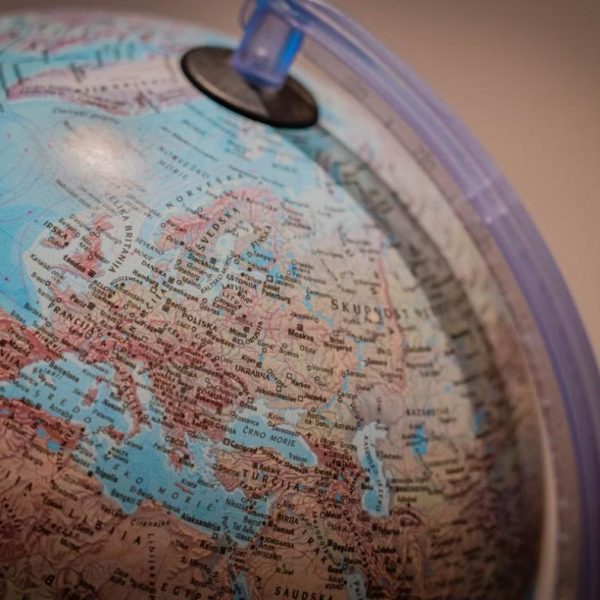
Online language tools and services promise instant results, and for many tasks they deliver. A traveller can read a menu in seconds, and a manager can grasp the gist of an email without waiting. Yet the same speed can tempt people to trust a quick answer where a careful one is needed.
This article offers a practical way to decide when an online translation service is enough, and when it pays to slow down and involve a human expert.
Good Uses for Quick Online Tools
Casual messages, personal notes, menus, street signs and internal emails that only need to be understood are all fine candidates. The goal is to get the gist, not to publish.
If a mistake costs nothing, speed wins. Use the tool, read the output with a sceptical eye and move on.
Where Automatic Output Falls Short
Automatic tools handle simple sentences well, but they struggle with humour, ambiguity and cultural context. They can also invent confident but wrong words when the source is unclear.
A helpful overview of google translate limits shows where free tools help and where a professional is the safer choice.
High Stakes Call for Human Experts
Contracts, medical instructions, immigration papers, safety manuals and anything published under your name deserve human review. A single wrong word can cause financial loss or legal trouble.
Ask yourself what would happen if the text were wrong. If the answer is uncomfortable, bring in a professional.
Tone and Brand Voice Need People
Marketing text, websites and speeches rely on rhythm and personality. Automatic output often sounds flat or oddly formal.
A human editor can adapt jokes, slogans and calls to action so that they feel natural to local readers.
Scripts and Languages Differ in Difficulty
Some languages are handled much better by tools than others, especially those with less online text or with different word boundaries. Thai, for example, is written without spaces between words, which makes automatic processing harder.
For business texts that must read smoothly, a professional english to thai translation gives much more reliable results than raw automatic output.
Think About Privacy
Free online tools may store the text you paste. Never upload confidential contracts, personal records or unpublished plans to a service whose terms you have not read.
Professional providers sign confidentiality agreements and use secure systems.
Check Output With a Second Source
If you must rely on a quick tool, compare its result with another tool or ask a native speaker to glance at it. Differences often show where the risk lies.
Do not forward automatic output as if it were finished work.
Learn From Industry Associations
Language industry organisations publish research and guidelines on quality and technology. The Globalization and Localization Association shares resources on how companies manage multilingual content.
Reading such sources helps you set realistic expectations for tools and for people.
Mix Tools and People Wisely
Many professionals use machine suggestions as a starting point and then edit carefully. This can speed up work without sacrificing quality.
Ask providers how they combine technology and human review, and what checks they apply before delivery.
When a project moves beyond a quick internal note, it is worth comparing full translation services rather than relying on a single automatic tool. A professional provider can review terminology, tone and formatting, and can confirm which texts genuinely need human review. Ask how work is checked before delivery, agree the turnaround in advance, and keep a record of approved terms for future projects.
Knowing when to use an instant tool and when to wait for a person is the practical version of the trade-off described above. A gist translation of an incoming email costs nothing and risks nothing, while the same shortcut applied to a signed agreement can be expensive for years. Buyers who think about translation quality in those terms stop asking which method is better and start asking what the document will be used for.
Set Realistic Deadlines
Good language work takes time. Reviewing, checking terminology and formatting cannot be rushed without risk.
If a project is urgent, tell the provider early and be ready to pay for faster service.
Budget for Quality Where It Counts
Divide your content into tiers. Use quick tools for internal notes, light editing for support articles and full professional work for legal, medical and public texts.
This approach keeps costs sensible and protects your reputation.
Prepare Source Text to Help Any Method
Short sentences, consistent terms and no hidden jokes make text easier for tools and people alike. Remove unnecessary jargon and define acronyms.
Clean source text also reduces cost, because there is less to fix.
Keep a Glossary
A list of approved terms keeps names, products and phrases consistent, whoever does the work. Share it with every provider and tool setting that supports it.
Update it whenever you launch something new.
Review Results After Publication
Ask customers and colleagues whether the text was clear. Their comments reveal problems that you may not see.
Use the feedback to refine your process.
Know When to Wait
If you feel uncertain about a text, pause. A day spent on proper review is cheaper than a correction after publication.
Waiting is not a sign of weakness, it is part of responsible communication.
Teach Your Team the Rules
Write a short policy that explains which texts may use automatic tools and which need human review. Share it with everyone who writes or publishes content.
Clear rules prevent accidental mistakes.
Think About Accessibility
Some readers rely on simple language or on screen readers. Clear, well structured text helps them and improves quality for everyone.
Check that translated pages keep headings, links and alternative text working.
Plan Updates
Content changes over time, and every update must reach all language versions. Track versions carefully.
A simple spreadsheet can show which pages are current in which language.
Final Thoughts
Online translation services are valuable tools, as long as they are used where they fit. Quick, low-risk texts can go through fast, while important documents deserve human care.
Decide by asking what is at stake, who will read the text and how it will be used. That simple habit keeps your communication fast where it can be and careful where it must be.